When Worry About Your Health Takes Over: Anxiety Therapy in Oakland for Health Anxiety
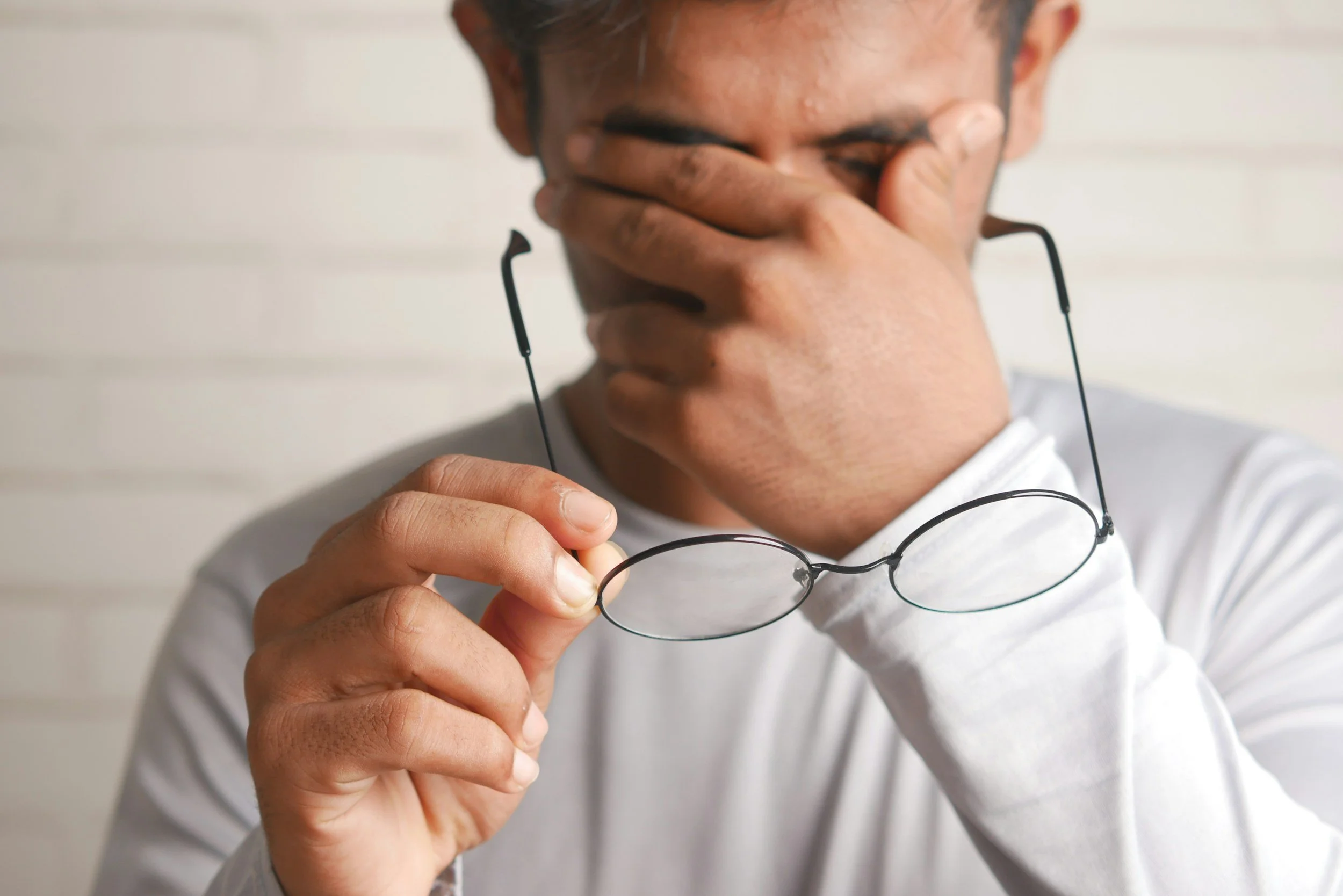
Something has happened where you are living in fear that something terrible is wrong. That something bad might happen to you. It’s a departure from your old self - energetic, healthy, strong. You may be experiencing shifts in energy, new aches and pains, being slower to recover after injury. Maybe something happened to precipitate these changes like becoming a parent or perhaps there’s no clear cause you can pinpoint. What you do notice is a shift. A sensation you would have brushed off in the past now looms large in your mind. A headache feels more intense. Fatigue feels suspicious. A flutter in the chest once a blip that barely registered is scaring you.
Uploaded from Unsplash on 2/12/2026
For some, this shift happens as stress or loss brings a deeper awareness of the body’s limits and the realities of aging. This new and heightened awareness can also happen after becoming a parent, in midlife or when you witness another with serious illness or experience the death of a loved one.
As an anxiety therapist in Oakland, I have seen how health anxiety shows up for people, often when they move through certain life stages and especially now where - due to increase cruelty and violence in certain communities and nationwide - one’s overall sense of safety is under threat. .
A Fictitious Example: What Health Anxiety Can Look Like Day to Day
Elena is in her mid-30s, a healthcare provider herself. She is thoughtful, responsible, and deeply attuned to what’s happening inside her body. Before she noticed body sensations but didn’t dwell on them. She is proud of how proactive she has been about her health — but lately, that proactivity feels more like panic.
Her day often starts with checking in on her body before she even gets out of bed. She scans for anything that might feel “off.” A new ache triggers an alarm. A headache feels suspicious. A sore throat sets off an internal alarm. By mid-morning, she’s Googling symptoms — not because she wants to. She knows doing her own research can send her deeper into an anxious spiral, but the uncertainty is unbearable. Of course, her web research offers several scary and worst-case explanations, all feeding the fear that something is seriously wrong
Elena has seen doctors and tests have come back normal. She may feel calmer for a few hours or days, but then the anxiety comes back. Her providers have reassured her, but she worries. A new sensation appears again and the cycle begins once more.
She is embarrassed about how much this worries her and at time tries to hide her worry from her partner, friends and family. When she does share her concerns, her friends will say things like “You’re probably fine,” or “Try not to think about it,” which only makes her wonder if she’s crazy and feel more alone. She is confused and feels ashamed. In an attempt to console herself, she tries to encourage herself to be grateful, calmer, and more grounded. Nothing seems to work and, instead, she feels more anxious than ever.
What Elena is dealing with isn’t a lack of logic. It’s health anxiety, shaped by life stage, responsibility, and a nervous system trying to keep what matters most safe.
What Is Health Anxiety?
Health anxiety or illness anxiety is when a person experiences distressing anxiety about one’s health and illness. Like all anxiety, anxiety about one’s own health falls on a spectrum. It is a persistent fear of having or developing a serious medical condition despite medical evaluations that are reassuring. It is common and estimates say approximately 4%-13% of the population experience health anxiety. It is especially in medical settings and during periods of life transition.
Common Signs of Health Anxiety
Health anxiety is not simply “worrying too much.” It is a recognized anxiety condition that can significantly impact mental wellbeing. People with health anxiety tend to be more sensitive to their body's sensations and misinterpret discomfort, pain or an unfamiliar sensation as dangerous. While health anxiety might show up differently depending on personality, lived experience and life stage, there are some common patterns that include:
Are quick to notice bodily sensations or changes in the body
Misinterpret bodily sensations as significant or dangerous
Are very afraid of and cannot stop thinking about the possibility “What if” of having an undiagnosed serious illness.
Seek reassurance through checking, researching, or medical visits, often asking for multiple second opinions - but then doesn’t trust it.
Spend an excessive amount of time googling their symptoms and looking for health information and may only experience only short-term relief
When the fear returns, it can be stronger than before
May avoid doctors and medical settings due to anxiety
This isn’t about imagining symptoms, making things up or lacking logic. It’s about how the brain responds to uncertainty, vulnerability, and perceived threat. Over time, these patterns can interfere with work, relationships, sleep, and the ability to feel present in daily life.
Why Health Anxiety Often Emerges in Midlife
Midlife is a time when the body begins to change — sometimes subtly, sometimes abruptly: You may notice you recover more slowly after your body has been physically stressed or sleep deprived; new health conditions may start to emerge or you notice new aches and pains in your body; your energy level drops or you notice bigger shifts in sleep or overall energy; You begin to need more frequent medical screenings or start to have more medical appointments. you
People in midlife are also often caring for children and aging parents, managing career pressure and plateaus, and facing existential questions about the meaning of their life, mortality and the passing of time.
Experiences and pressures in midlife can heighten awareness of the body and its limits. Anxiety that accompanies this awareness can easily become a runaway train and turn into hypervigilance and When paired with anxiety, this awareness can easily turn into hypervigilance and obsessing about health catastrophes.
Finally, our society fears aging and death. Modern society has distanced us from the natural process of death and dying which leaves us less prepared for what is to come. If you have anxiety about getting sick or developing a serious illness, it doesn’t mean something is wrong with you. You may just be becoming more acutely aware of your own aging in a society that believes aging is something to be feared.
Health Anxiety Can Intensify After Becoming a Parent
For many people, if health anxiety never existed before, it may rush to the surface after becoming a parent. Parenthood while bringing joy, connection, and purpose can be very destabilizing - testing you in ways you didn’t anticipate and bringing a new truth to your attention: Your children depend on you for their survival. Your life and your children’s survival are inextricably linked. Your life matters in a significant and different way now.
Parents with health anxiety may worry:
I can’t afford to miss something.
If I’m not here, everything will fall apart.
My children won’t be okay without me.
My body must hold up — everything is at stake.
Your parental instincts and heightened sense of responsibility leads to an increase in vigilance in multiple areas - your children’s safety, your own health and well-being, danger and threat in the environment, all the things that could possibly go wrong. Your nervous system becomes more alert, more protective, more reactive - potentially even dysregulated. Health anxiety, in the context of parenthood, maybe be driven by love, attachment, and fear of loss even more than fear of illness.
Why Health Anxiety Feels So Real
The Nervous System and Anxiety-Driven Physical Sensations
Health anxiety (and all anxiety) lives in the nervous system. When your nervous system is in a state of heightened alert, bodily sensations feel louder and become more urgent. Anxiety itself also generates physical symptoms in your body like heart palpitations, shortness of breath, tightness in your chest and dizziness. Your body and mind might then misinterpreted your anxiety symptoms as further evidence that something is wrong.
While reassurance may temporarily help in the short term, it does not help regulate and retrain your nervous system. It can even have the opposite effect creating and anxiety and reassurance seeking loop - where each fuels the other. Health anxiety is so convincing and wants to stick around - even if you logically understand that your fears don’t fully make sense.
How Health Anxiety Can Shrink Your Life
When health anxiety takes over, you may organize your life around reducing that anxiety by focusing more on preventing and monitoring your health worries rather than enjoying the present and living life. You may change the activities you engage in, your lifestyle habits or distance yourself from others. You may:
Avoid physical exertion or activities because you are afraid
Cancel plans when sensations arise
Develop difficulty sleeping because nighttime begins to feel unsafe
Begin to feel disconnected or mistrustful of their body
Feel ashamed about not being able to “let it go”
Over time, life can feel smaller when you are in survival mode and trying to problem-solve the unknown. You may notice your actions and interactions become more shaped by fear than by your own values or desires.
Strategies for Managing Health Anxiety
There are ways to reduce health anxiety and build a more trusting relationship with your body. Some of these strategies and techniques can work rather quickly to reduce your health anxiety.
Build Awareness
1. Name It
Try to become aware of your anxious thoughts related to your illness anxiety. You may even notice that there are patterns and specific triggers to your worries. Ask yourself, “Is this health anxiety showing up right now?” Naming the pattern helps shift the brain out of alarm mode and into awareness.
2. Distance Yourself from your Thoughts
Tell yourself “I notice I’m having the thought that….” Take a few beats to feel how that sits in your body and mind. With even a small amount of distance, you can start to observe yourself and your reaction and possibly shift how you will respond.
3. Separate What you Know from What You Fear - pause to check in with the present and see what is actually happening. Ask yourself what is your anxiety telling you? Are you jumping to conclusions? Gently check whether your fears match the facts. Look for alternate explanations or affirmation of your good health. What do we know that are signs of good health?
4. Reduce Reassurance-Seeking with Compassion
Uploaded from Unsplash on 2/12/2026
Reassurance feels necessary — especially when you’re scared. But over time, it can sustain anxiety. Pause. Breathe. And be compassionate toward yourself. Try to delay or avoid checking or Googling. Write your concerns down instead of researching them. Notice how your anxiety rises and falls even without reassurance. The goal is to build your tolerance for uncertainty since certainty isn’t always possible.
5. Practice Neutral Body Awareness
Health anxiety can involve scanning for danger. Try to notice sensations without interpretation. For example, “I’m noticing tightness.” or “There’s a sensation here.” rather than giving in to a tendency to self-diagnose.
Ground in the Present Moment
Anxiety has a strong pull on the mind and can push you toward a catastrophic future. Grounding exercises can settle your nervous system by bringing you back into your body in and the present moment. You might try:
Slow, deep breaths
Notice the feeling of your feet on the floor
Activate all of your senses - Name what you can see, hear, feel, smell and taste
Gentle stretching or yoga movements that help activate the vagus nerve.
These practices all signal safety to the body.
Work with a Therapist Who Understands Health Anxiety
Health anxiety often emerges during times of change: aging, becoming a parent, facing loss, or realizing that life is fragile. Increased anxiety is a natural response. But if it begins to feel hard to manage or like it’s interfering with your ability to live life, anxiety therapy can help..
In anxiety therapy, you can explore your fears about aging, mortality and control. Therapy can also help you, understand how anxiety operates in your body, reduce checking and avoidance behaviors and develop a kinder relationship to uncertainty. Cognitive-behavioral strategies can be helpful, especially when paired with a relational, trauma-informed approach that honors why your system learned to be this vigilant.
You deserve care that helps you feel safer in your body, not constantly bracing against it. With support, patience, and the right tools, health anxiety can soften. Your body doesn’t have to feel like an enemy — and your life doesn’t have to revolve around fear.

Anxiety Therapist Oakland
Author Bio:
Lara Clayman, LCSW, is a psychotherapist providing anxiety therapy in Oakland and online therapy throughout California. She also loves working with multicultural identity issues, men’s issues and offers parenting support. She has a trauma-informed approach that honors both personal and cultural context.