Uploaded from Unsplash on 1/21/2026
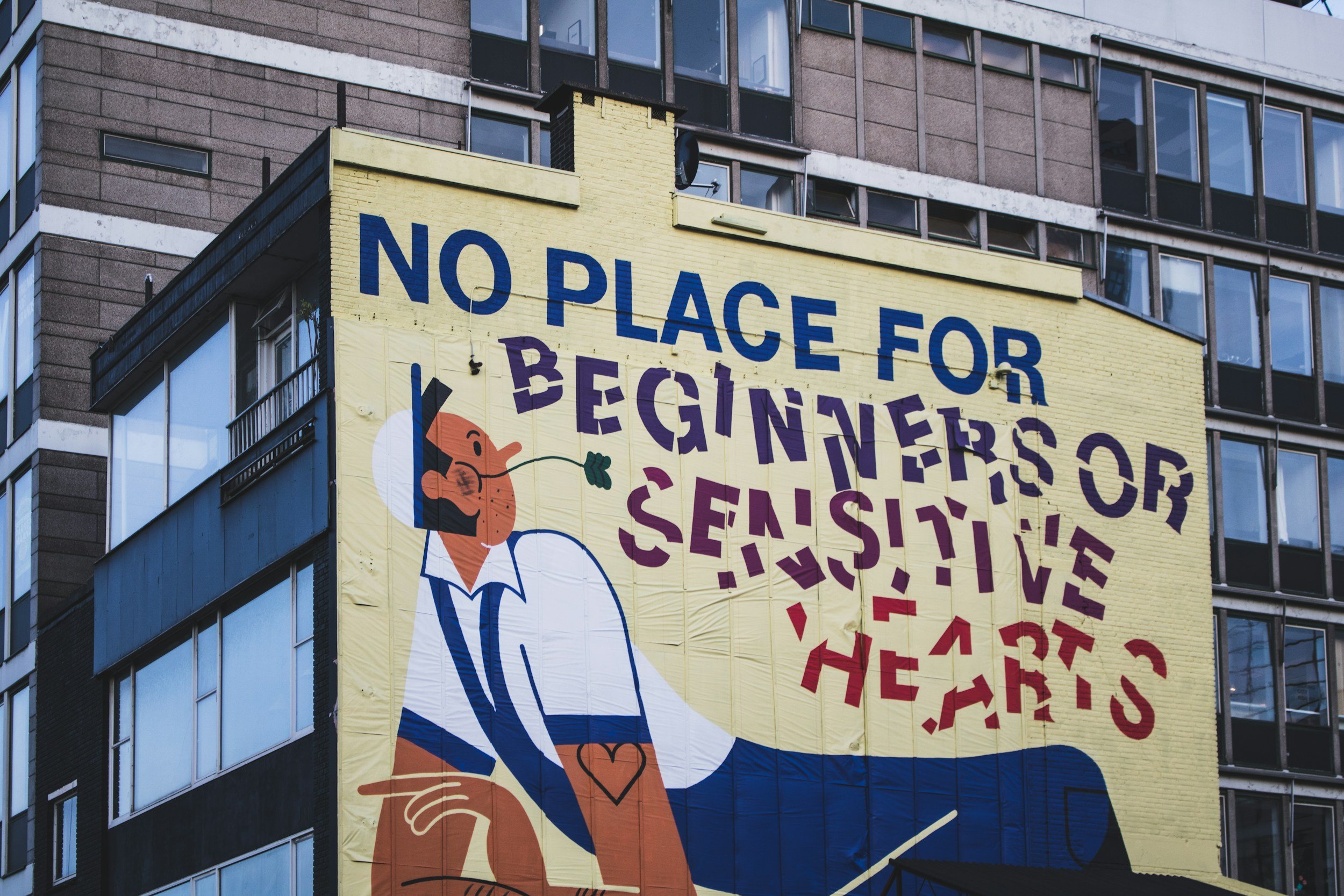
Why am I so sensitive?
As a trauma therapist in Oakland, I hear this question all the time — especially from thoughtful, insightful adults who understand anxiety, have done years of personal growth, and still feel blindsided by how deeply certain moments affect them.
Sometimes it’s a seemingly small comment, their tone, a look on their face - nothing glaringly dramatic or even cruel-that triggers an intense emotional or physical response. You suddenly feel your chest tighten, your throat closes up and you are flooded with emotions like hurt, anger, sadness or the urge to run away.
You go home and you replay this interaction in your head, criticising yourself: Why am I so sensitive? Why can’t I just let things go? Why don’t others get upset the way I do?
The truth is you are NOT too sensitive. Your nervous system is responding as if you are in danger. It’s using what it learned a long time ago and is doing its best to protect you.
When “Overreacting” Isn’t Really About the Present
Many people come to trauma therapy in Oakland believing their reactions mean something is wrong with them. They describe feeling embarrassed by their intense emotions, can feel confused about how fast their anxiety shows up or are frustrated by being unable to stop their reactions despite having insight into why.
The people I work with might say things like: “I know this isn’t a big deal, but my body is in fight or flight mode.” “My brain understands why I’m reacting this way, but I can’t stop myself from getting angry.” “It feels like I’m reacting to something else, but I don’t know what.”
Trauma lives in both your mind and in your body. Our body’s memory lives in our nervous system and in our emotional reflexes and moments that resemble earlier experiences of disconnection, criticism, unpredictability, or emotional danger which send our bodies into survival mode..
Your reaction may feel disproportionate to the present moment because your nervous system isn’t responding only to the present. It’s recalling the past and wanting safety.
The Kind of Trauma People Don’t Always Name

Uploaded from Unsplash on 1/21/2026
When people think of trauma, they often imagine singular, extreme events. But repeated events that are not life-threatening, but overwhelm you can be experienced as deeply distressing and can deeply impact your mental health. Many of us have experienced this kind of trauma in our important relationships - a type of trauma that affects us throughout our lives because it accumulates over time, and often quietly.
This might look like:
Having your emotions criticized or dismissed in the household you grew up in
Being praised for achievement but not having your emotional needs attuned to or met
Learning early on that honesty takes a backseat to harmony
Pressure to be “responsible” one, “strong” or “easy”
Managing immigrant family or cultural expectations that left little room for emotional expression
While these dynamics may not seem significant from the outside, it can make you feel isolated, unsupported or unseen and like you have to do your best to provide others with a version of you they are wanting rather than being your authentic self. None of this may look dramatic from the outside, but on the inside, your nervous system has been shaped by attachment trauma. It learns to be alert and vigilant around others and can lead to excessive self-monitoring and pressure to be “perfect”. And even small triggers can cause you to react in a way what you or others think is an overreaction.
So when something feels even slightly off — a partner’s distraction, a friend’s delayed text, a supervisor’s neutral feedback — your body reacts quickly and often intensely.
This doesn’t mean you are fragile, too sensitive or that something is wrong with you. Connection that feels uncertain or conditional, especially with your caregivers whom you need to survive, can create feelings of deep insecurity, make it difficult to relax and puts you on the defensive.
Why Logic Alone Doesn’t Stop the Reaction
Many people seeking anxiety therapy in Oakland are already highly self-aware. They can identify cognitive distortions, name attachment patterns, and they intellectually understand where their anxiety comes from.
And still — their body reacts.
That’s because trauma responses come from the cellular level - meaning your body reacts before your thinking brain has the chance to intervene. Your nervous system’s job is to react with speed - not accuracy. It quickly asses for:, Is this familiar? Is this risky? Do we need to protect ourselves?
If something resembles a past emotional injury — even in a small or subtle way — the body may mobilize the anxiety response, shut down emotionally, spur your fight reflex, or flood you with self-criticism.
This is why telling yourself to “calm down” often doesn’t work. Your system isn’t choosing anxiety — it’s responding to a learned sense of threat.
Trauma therapy and working with your body’s communication works differently than trying to talk yourself out of it. It helps your nervous system learn that the present is different from the past, slowly and safely.
Why “Sensitivity” Is Often a Survival Skill
While it can be hard to be sensitive in a desensitized world, your sensitivity really is a strength. Many people who are labeled as “too sensitive” were actually highly perceptive children.
People who are so perceptive are skilled at:
Reading the room
Anticipating shifts in mood or attuning to unspoken dynamics
Monitoring others’ emotional states
Adjusting themselves to seek safety and maintain connection.
This kind of sensitivity is a form of intelligence not accessible to everyone. It is an intelligence that helped you adapt, belong - survive. You being “too sensitive” is not the problem, rather, being required to be highly perceptive without being supported.
Now, as an adult, your sensitivity might be showing up as anxiety, people-pleasing, quick to emotional overwhelm, or self-doubt — especially in close relationships.
Trauma therapy in Oakland often involves helping clients reclaim sensitivity as a strength, while also teaching the nervous system that it no longer has to work so hard.
What Trauma Therapy Looks Like When You Feel “Too Much”
In trauma therapy, we don’t try to get rid of your reactions or see them as irrational. Instead, we get curious:
What feels familiar here?
What did your body learn to expect?
What does this reaction want to protect you from?
Therapy with me focuses on building safety inside the body rather than pushing you to quickly change. The goal is for you to reduce shame around your emotional responses, create space between the trigger and your reaction to empower you to choose how you want to respond.
For many of my clients, healing involves:
Learning to recognize when the past is influencing the present
Developing self-compassion for the ways your body and mind responds in self-protection.
Gently expanding your ability to tolerate closeness with others, conflict and rest
Not forcing yourself to resist or fight against your reactions
Seeing and practicing alternate ways of responding
This is especially important for people who come from cultural backgrounds where emotional expression was discouraged, misunderstood, or considered weakness. Trauma-informed anxiety therapy in Oakland honors both individual experiences and the broader social and cultural contexts that shaped them.
You Don’t Need Thicker Skin — You Need Safety
A common belief I hear is: If I could just toughen up, I’d be fine.
But healing doesn’t work by suppressing your emotions or numbing. It comes when you can begin to create enough internal safety so that your nervous system no longer has to sound the alarm so quickly.
When people feel safer inside, something remarkable happens:
Your reactions soften, your anxiety becomes more manageable, you move through your emotions more quickly so they don’t stay as long and as strong, and you become less self-critical.
This doesn’t happen by forcing change, but when your nervous system learns it doesn’t have to be on guard and brace for impact. Your sensitivity will always be a part of you are, but you can learn to live without being run by your pain.
How Trauma Therapy in Oakland Can Help
Working with a trauma therapist in Oakland can help you:
Better understand your emotional responses without judgment
Reduce anxiety that feels automatic or out of proportion
Heal relational wounds that still show up in present-day interactions
Feel more grounded, connected, and begin to trust yourself
Stop treating sensitivity as your enemy or something you need to fix
If you’re tired of telling yourself you’re “too much” — and ready to understand why your body reacts the way it does — trauma-informed anxiety therapy can offer a path forward that’s compassionate, culturally attuned, and deeply validating.
You don’t need to become less sensitive to heal. You need understanding, support and space to process what you’ve been through.

Anxiety therapy and trauma therapy in Oakland
Author Bio:
Lara Clayman, LCSW specializes in anxiety therapy and trauma therapy in Oakland, online therapy across California, multicultural issues, and counseling for men.